
Power Stroke Must-Dos: Fuel Filter And Water Separator Maintenance
Water contamination in your fuel system can lead to rust, corrosion, and costly repairs - and typically isn’t covered under a standard warranty. That's why Power Stroke fuel filter maintenance and regular service of your diesel fuel water separator are so important for keeping your engine running well for longer.
“Engineers know water and fuel don’t mix - and if you own a Ford Power Stroke diesel engine, you should too.”
Why Water In Diesel Fuel Is A Big Problem
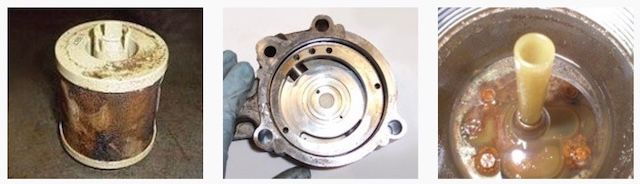
Water in diesel fuel symptoms might not appear until the damage is already done. But here’s what’s happening under the hood:
- A saturated or dirty fuel filter allows contaminants to enter your fuel system.
- These contaminants corrode your injectors, lines, and internal components.
- Water buildup that isn’t drained in time will damage your Power Stroke water separator housing.
- Eventually, water reaches your transfer pump, causing it to rust and fail.
Key Symptoms Of A Bad Power Stroke Fuel Filter
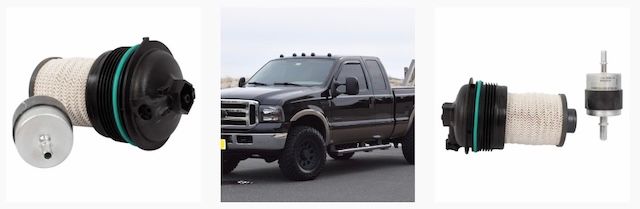
Be on the lookout for these symptoms of bad fuel filter Power Stroke engines often show:
- Engine hesitation or stumbling
- Decreased fuel efficiency
- Longer crank times or hard starting
- Check engine light or fuel system warnings
- Noticeable drop in power under load
For more information on diagnosing sluggish Ford Truck performance, check out our blog here.
Preventative Measures That Save Your Engine

Don't wait for symptoms to appear. These proactive steps can protect your Power Stroke:
- Drain the water separator as soon as the “Water in Fuel” warning appears.
- Replace the secondary fuel filter regularly - and only with OEM-quality parts.
- Stick to your truck’s recommended service schedule.
- Avoid cheap aftermarket parts that might clog or fail prematurely.
“A neglected water separator today could mean a failed fuel system tomorrow.”
Service Schedule: Know Your Operating Conditions
Ford outlines two maintenance schedules. Choosing the correct one is critical for effective Power Stroke fuel filter replacement and overall upkeep.
| Usage | Definition |
| Normal Operating Conditions | Moderate load hauling, highway driving in normal temps |
| Special Operating Conditions | Frequent towing, extended idling, dusty/off-road use |
If you're unsure where your driving conditions fit in, opt for Special Operating Conditions. It’s always better to service more frequently than risk failure.
How To Change Your Power Stroke Fuel Filter

While every Power Stroke is a little different, here's a general outline for how to change Power Stroke fuel filter units:
- Locate the primary and secondary filters - typically near the frame rail and under the hood.
- Drain the water separator using the provided valve.
- Remove and replace filters with high-quality OEM units.
- Prime the fuel system before restarting the engine to avoid air pockets.
- Reset maintenance indicators if required.
Don’t Get Caught Off Guard
Following these Power Stroke maintenance tips will help you avoid major engine damage. Replace filters on time, drain the separator often, and keep an eye on warning lights.
For more information on maintaining your Ford diesel, check out these articles:
“Don’t let water sit in your diesel - your fuel system depends on it.”
Blue Springs Ford Parts is one of the largest Ford parts departments in the US, and we have decades of experience selling wholesale Ford, Lincoln and Mercury parts. Every OEM Ford part is backed by Ford's replacement parts warranty. Use our handy VIN decoder to get the right part, first time.
Get in touch with us if you have any further questions, and get your OEM Ford diesel service parts today.