
Ford Tire Pressure Sensors - All You Need To Know
Ford tire pressure sensors, also known as TPMS (Tire Pressure Monitoring System) sensors, are built into each wheel to monitor air pressure and alert you when the levels drop below the recommended range.
Proper tire pressure helps prevent premature wear, improves traction, and ensures optimal braking performance. By giving real-time pressure updates, Ford’s TPMS protects your tires, enhances fuel economy, and keeps your vehicle running safely and efficiently. Let's talk about some of the common questions we hear regarding Ford tire pressure sensors right here.
How Long Do Ford TPMS Sensors Last?
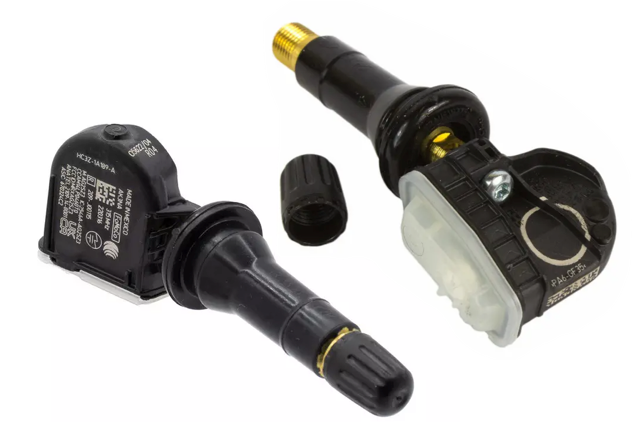
TPMS sensors typically last 5-10 years, this is largely based on when their internal battery is depleted. You should plan for replacement of your Ford’s TPMS sensors around this time to ensure that they keep functioning properly.
How Much Do Ford Tire Pressure Sensors Cost?
TPMS sensors vary in design based on your specific Ford model. On average, expect to pay under $100 each. Savings are even greater when you order online and install the sensor yourself or have it installed by your preferred local shop.
Can I Still Drive With A Tire Pressure Sensor Warning Light?
When the low tire pressure indicator illuminates, you should stop and check your tires as soon as possible. It can illuminate for several reasons, including weather and tire pressure changes, damaged tires or valve stems, sensor battery failure, or a recent tire rotation or replacement.
If the warning light is on because of low tire pressures, then driving further with under-inflated tires risks tire damage, and your handling and fuel economy will be adversely affected. You should check the tires and inflate them to the recommended pressure as soon as you can.
If the sensor itself has failed (the light is on but tire pressures are correct) you can drive but you’re driving without proper monitoring of tire pressures. This lowers your safety margin, and you should replace the sensor as soon as possible.
How Do I Know If My Ford TPMS Sensor Is Failing?
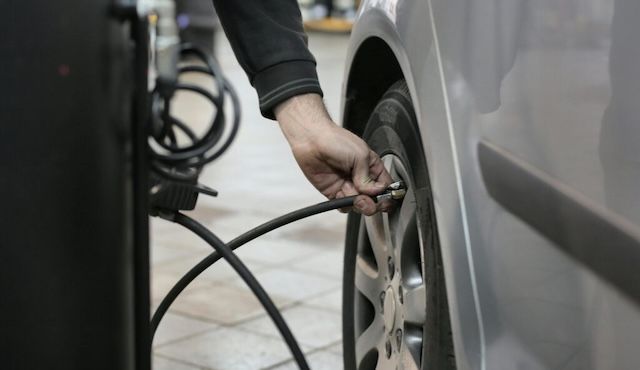
There are several indicators you should watch for that will point to the need for a new TPMS unit. Typically you should watch out for:
- TPMS warning light stays on even after you’ve inflated the tires to the recommended pressure.
- The light flashes or blinks before staying solid: often this means a sensor fault or communication failure.
- You perform a tire pressure check and the pressures are correct, yet the system still reports low pressure or gives error messages.
- After tire rotation or replacement the TPMS system is unable to 'learn' sensor positions properly after you have reset it.
While a TPMS sensor can get physically damaged, a dying or dead battery can cause all of the above symptoms. Because the internal battery is non-replaceable, when the sensor battery dies, the whole sensor must be replaced.
If you’ve checked tire pressures, seen no puncture/leak, and the TPMS warning light remains on, the sensor may be failing and needs inspection/replacement.
Can I Replace A Tire Pressure Sensor Myself?
Replacement involves removing the wheel/tire, deflating the tire, mounting the new sensor (which may include the valve stem and cap), re-inflating, then performing a TPMS sensor relearn or reset.
Depending on your Ford model, this procedure may be done from within the vehicle or it may need a dedicated TPMS activation/scan tool to get the sensor registered with the vehicle. If you have access to these tools, then the TPMS sensor replacement is certainly something you can do in your own garage.
If you lack the activation or scan tools required for a full reset, you may need to get an authorized technician to carry out this procedure for you.
If you have the tools and mechanical skill to remove/replace tires and sensors and perform the relearn, yes you can DIY - but if not, it’s wise to have a shop handle it.
Can I Replace Just One Tire Pressure Sensor?
Yes, you can replace an individual sensor. However, many pro mechanics suggest that when one sensor fails (often due to battery failure) the other sensors may be near end-of-life too, and replacing all 4 at once is the best way to avoid further issues.
If the TPMS sensor is relatively new and was damaged in some other way, then it is fine to replace only the faulty unit.
Can I Turn Off The Tire Pressure Sensors?
TPMS sensors are required by Federal law to be fitted to all vehicles manufactured from 1 September 2007 on. While it may be possible to disable or turn off a TPMS using special diagnostic tools, it is not recommended and may be against the law in your region. If the sensor is malfunctioning, it is best to replace it instead.
Where Should I Buy A TPM (TPMS) Sensor?
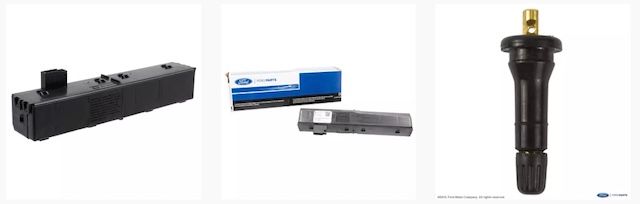
You should always buy OEM Ford/Motorcraft sensors from a reputable authorized parts dealer like Blue Springs Ford Parts. Use our handy VIN decoder to be sure the sensor part number matches your exact Ford model. With OEM TPMS sensors you get:
- Perfect fitment
- Correct frequency ranges for your specific vehicle
- Ford’s replacement parts warranty
- Wholesale prices
Don’t Compromise On Your Safety: Buy OEM Ford Tire Pressure Sensors
Blue Springs Ford Parts is one of the largest Ford parts departments in the U.S., selling wholesale Ford, Lincoln, and Mercury parts for decades. We're centrally located in Missouri, so can ship quickly to both the East and West Coasts.
Your Ford’s TPMS is an important safety device that helps prevent blowouts, unpredictable handling and excessive tire wear. We sell genuine OEM Ford Tire Pressure Sensors, backed by Ford’s replacement parts warranty. Use our VIN decoder to be certain you get the right part, and order your OEM Ford components today!