
Ford Engine Control Module Buyer's Guide
A modern Engine Control Module (ECM) is a complex device that coordinates and controls several engine functions within your Ford. A damaged ECM will cause erratic vehicle behavior. A completely failed unit can prevent your Ford from working at all. Knowing how to diagnose and replace the ECM can save you money and potentially prevent a breakdown. This guide covers everything you need to know about your Ford’s ECM.
ECM Buying Guide Topics
- What is an ECM and why is it important?
- How to diagnose and troubleshoot a failing ECM
- Are OEM engine control modules better than aftermarket?
- How to replace a Ford ECM
What Is An ECM And Why Is It Important?
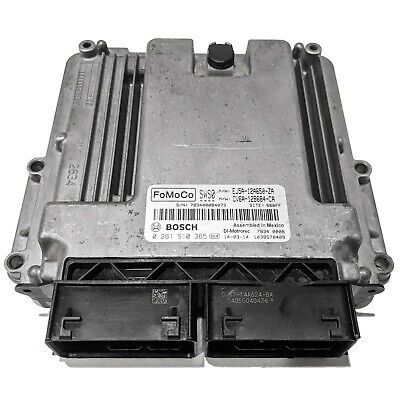
Referred to interchangeably as an Engine Control Module (ECM) or Engine Control Unit (ECU), this component is essentially the brain of your car's engine. It's a sophisticated onboard computer responsible for managing and optimizing engine performance.
In today's vehicles, a myriad of intricate parts must function in harmony for optimal efficiency and a smooth driving experience. The ECM enables this by continuously monitoring each component and making adjustments when needed to keep the fuel-air mixture at optimum levels. Some of the electronic and mechanical devices it controls include the fuel injectors, variable valve timing and ignition timing.
Find a more in-depth review of the importance of your Ford’s ECM here.
How To Diagnose A Failing ECM
A failing ECM can exhibit a lot of symptoms as it controls so many vehicle functions. Issues like rough idling, stalling, rough running or refusing to start are all symptoms of a failing ECM but can be caused by many other issues as well.
To isolate the ECM as the cause of your problems, carry out the following checks:
- Check the ECM for signs of damage – corroded wires, water ingress or poor grounding can all play havoc with it
- Run a diagnostic test with an OBDII scanner. Check the ECM relay in the fuse box and remove a battery terminal for a few minutes to allow the ECM to reset.
YOu can find a thorough review on diagnosing ECM problems here.
Are OEM Engine Control Modules Better Than Aftermarket?
OEM replacement ECMs will fit and work exactly like your original unit. Their parameters have been tested to deliver the perfect blend of performance and efficiency as set by the manufacturer.
Aftermarket ECMs come in various types. You can get replacement ECMs, piggyback ECMs and some specialists will even reprogram your original unit. They are all designed to allow the user to modify the manufacturer’s settings. This makes them suitable for those looking to change their vehicle's standard settings. Depending on what the modifications are, the vehicle’s safety and reliability can be negatively affected.
Leram more about the differences between OEM and aftermarket ECMs here.
How To Replace A Ford ECM
Once you have diagnosed your ECM as being damaged or worn out, the next step is to buy a replacement unit. Blue Springs Ford stocks OEM replacement ECMs for just about any Ford. Replacing the ECM yourself is not that difficult, and can save you on labor costs.
Follow this comprehensive guide - the procedure is similar across many varying Ford models and requires just a handful of tools that you may already have in your garage.
Buy Your OEM Replacement ECM From Blue Springs Ford Parts
A failing ECM can cause quite a headache. If you suspect that yours has failed or is damaged, use our ECM guide to diagnose, locate and replace it. Use our VIN decoder to make sure that you get the right ECM for your vehicle the first time.
Blue Springs Ford Parts has the perfect OEM replacement part for your vehicle at wholesale prices. We have a 30-year history of selling wholesale Ford, Lincoln, and Mercury parts. Being one of the largest Ford parts departments in the US means we stock just about any part you might need. Every OEM part is backed by Ford’s replacement parts warranty. Get in touch with our sales team today and get the perfect OEM part at the best price.