
How To Diagnose A Failing ECM: Common ECM Problems Explained
The Engine Control Module (ECM) or Engine Control Unit (ECU), is integral to the functionality of modern cars. A malfunction in this component can lead to a complete vehicle breakdown. Recognizing the signs and potential causes of a failing ECM can help prevent unexpected roadside issues. In this article we look into the signs and symptoms of a failing ECM.
Signs Of A Healthy ECM
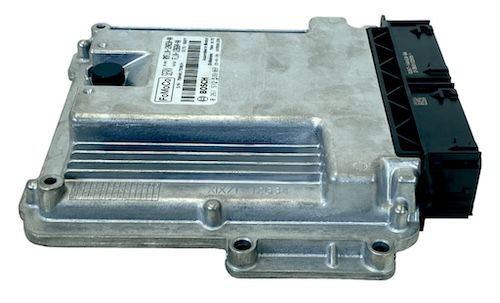
A vehicle’s ECM checks and adjusts hundreds of engine parameters constantly to ensure optimal operation (learn more about its job here). When everything is working well, your vehicle should:
- Start and idle smoothly
- Accelerate without any delay or hesitation
- Have no warning lights on the dashboard
If your car starts to behave erratically, the ECM may be failing.
Symptoms Of A Failing ECM
Given that it controls so many components, a failing ECM can often be misdiagnosed. Rough idling can be caused by several issues, as can hesitant acceleration or poor fuel economy. However, if you start noticing a variety of issues cropping up at once, or intermittent problems that seem unrelated, the ECM may be the culprit. Be alert for these signs:
- The activation of the 'Check Engine' light - This can signify various issues, including potential ECM problems.
- Sudden and random engine shutdowns - often caused by an improper air/fuel mixture ratio
- Rough idling or acceleration hesitation - This can occur when the ECM doesn’t send the correct signal to the injectors or fuel pump
- An unexpected increase in fuel consumption - Possibly due to an overly rich fuel mixture because of incorrect signals from the ECM
- Rough gear shifts in automatic transmissions – This could result from incorrect ECM signals to the transmission control module.
It's important to note that these symptoms might overlap with issues related to other vehicle control units. Therefore, consulting a mechanic or using an OBDII scanner is advisable for accurate diagnosis before attributing these issues directly to the ECM.
Complete ECM Failure Symptoms
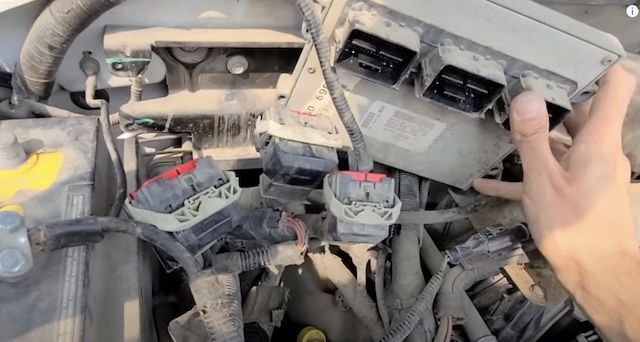
Image Credit: QuiteAlright
In some cases, the ECM may fail completely. This will most likely leave your car completely immobile until the ECM is replaced. Symptoms of total ECM failure include:
- Inability to lock or unlock the car using the key fob. A vehicle’s immobilizer is coded to the ECM. A non-functioning ECM won’t be able to send the correct signal to operate the doors.
- The engine won’t start or respond to the key or starter button. This occurs when the ECM is not able to process any signals being sent to it.
These scenarios often involve a lit 'Check Engine' light. Some older vehicles with simpler ECMs might start but will generally perform poorly. Remember to always check the battery first, because you will experience the same symptoms if it has gone completely dead.
Common Causes Of ECM Problems
The ECM coordinates and controls various systems. Problems with these systems can sometimes cause damage to the ECM as well. Common causes of ECM problems include:
- Internal ECM damage due to power surges - Often caused from incorrectly jump-starting a car
- Internal ECM damage due to water ingress – A cracked or damaged ECM casing can let moisture in which will corrode the internals
- Corroded or frayed wiring - If the damaged wiring causes a short it can easily damage the ECM
- Malfunctioning engine sensors – A modern engine has dozens of sensors that feed critical information to the ECM for processing. A damaged sensor can cause havoc with the ECM
- Poor grounding – Damaged battery terminals can cause issues with the ECM as well as other electrical components
Awareness of these common ECM issues and early recognition of symptoms can be crucial in avoiding sudden breakdowns and costly repairs.
Diagnosing Your ECM
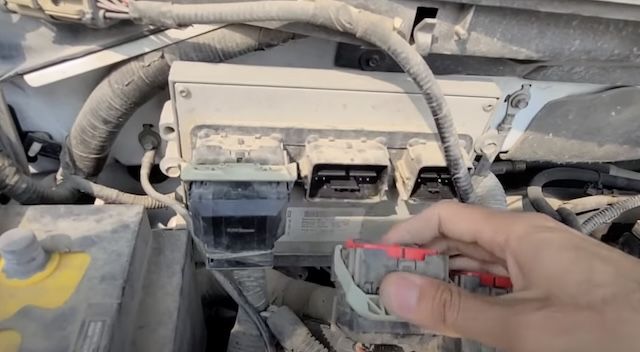
Image Credit: QuiteAlright
If you are experiencing these symptoms, you can diagnose the ECM using the following methods:
- Visually check the ECM’s wiring and connections – frayed, cut or damaged wiring will cause the ECM to malfunction. Corroded or loose connectors will also result in ECM faults
- Look For Error Codes Using an OBDII Scanner – Most cars built since 1996 will have an OBDII port which lets you check for Diagnostic Trouble Codes (DTC) using an OBDII scanner.
- Reset the ECM – Disconnecting the negative battery terminal for a few minutes will do a soft reset on the ECM. This can sometimes resolve minor issues.
Find Your OEM Replacement ECM At Blue Springs Ford Parts
Diagnosing ECM issues usually involves some trial and error. Following the abovementioned guidelines can help you narrow down the issue to avoid replacing the wrong parts.
Once you have confirmed that your ECM is indeed faulty, Blue Springs Ford Parts has the perfect OEM replacement part for your vehicle. At wholesale prices. Always use our VIN decoder to ensure you order the right part.
We have a 30-year history of selling wholesale Ford, Lincoln, and Mercury parts. Being one of the largest Ford parts departments in the US means we stock just about any part you might need. Every OEM part is backed by Ford’s replacement parts warranty. Get in touch with our sales team today and get the perfect OEM part at the best price.
Image Credit: QuiteAlright