
Will A Bad Oxygen Sensor Impact Gas Mileage?
Bad fuel economy is often blamed on a vehicle’s old age, but the culprit is frequently much smaller and easier to fix than you might think. If you’ve noticed your Ford gulping gas faster than usual, it could be a lazy O2 sensor that hasn't triggered a check engine light yet.
For owners of older Fords, especially those at or beyond the 10-year mark, restoring your MPG may be as simple as replacing your old oxygen sensor. But before you do, it’s worth knowing how it works and what the symptoms of a failing sensor are.
Understanding Upstream vs. Downstream Sensors
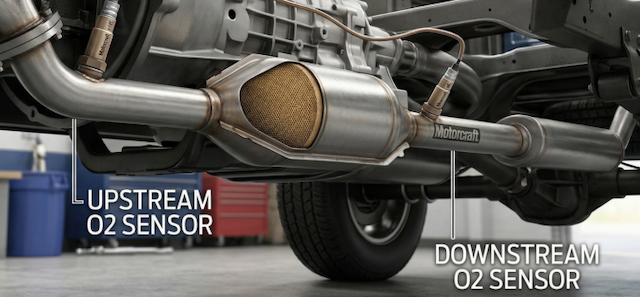
Your Ford’s exhaust system relies on two distinct types of sensors to communicate with the engine control module (ECM). Understanding the difference is key to knowing how your fuel is being managed.
- Upstream O2 Sensors: Located before the catalytic converter, these measure the amount of unburned oxygen remaining in the exhaust gases. They are the brains behind your fuel economy.
- Downstream O2 Sensors: Located after the catalytic converter, these primarily monitor the efficiency of the converter itself.
- The Feedback Loop: The upstream sensor tells the computer if the engine is running lean (too much air) or rich (too much fuel), allowing the ECM to make real-time adjustments.
How a Lazy Sensor Wastes Fuel
As oxygen sensors age, they become coated in carbon and chemical byproducts. While they might still function enough to avoid throwing a Diagnostic Trouble Code (DTC), they become lazy, responding slowly to changes in the exhaust flow. Below are some of the symptoms of a poorly functioning oxygen sensor:
- Slow Data Transmission: A lazy sensor sends delayed signals to the ECM, causing the computer to default to a rich fuel mixture to protect the engine.
- Running Rich: When an engine runs rich, it injects more gasoline into the combustion chamber than is necessary, literally sending your money out the tailpipe.
- Poor MPG: You may experience a significant drop in MPG long before the check engine light illuminates, as the sensor stays just within the acceptable voltage range.
Preventive Maintenance for Older Fords
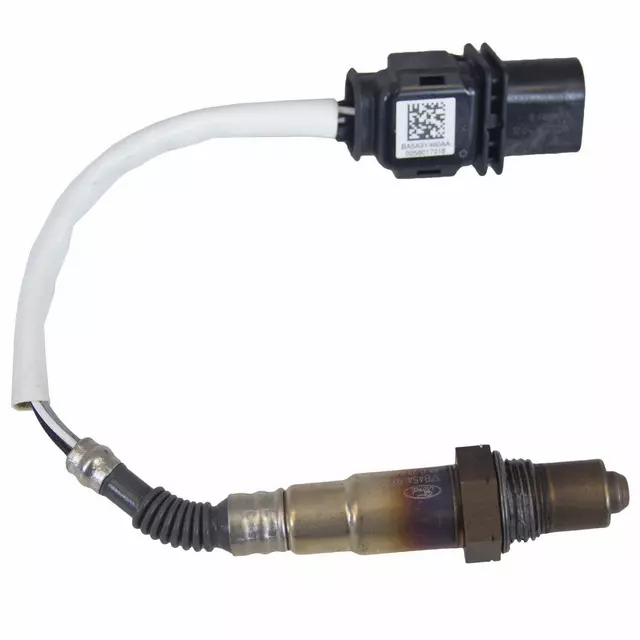
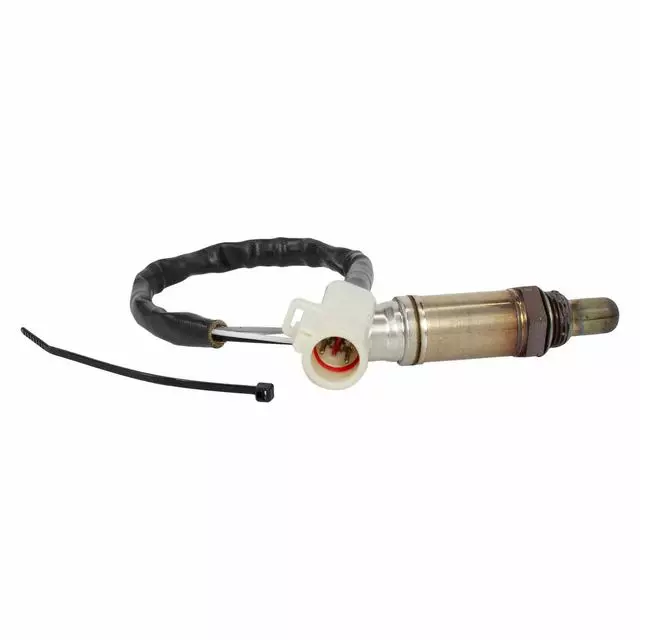
If you are driving a Ford that is 10+ years old or has surpassed 100,000 miles, you are likely overdue for an O2 sensor refresh. Waiting for the sensor to fail completely can cost you lots in wasted gasoline.
- The High Mile Rule: Replacing your O2 sensors every 100,000 miles is a smart preventive maintenance move that often pays for itself in gas savings within a year.
- Restoring Performance: New sensors provide accurate, immediate data, allowing the engine to return to its factory-spec fuel maps and restoring lost throttle response.
- Protecting the Converter: A sensor that causes the engine to run rich can result in excess carbon deposits clogging your expensive catalytic converter. Also, running too rich can result in excess heat buildup in the cat, potentially damaging it.
Signs Your O2 Sensor Is Failing
Beyond the gas pump, your Ford will often give you subtle hints that an oxygen sensor is reaching the end of its lifespan.
- Rough Idling: You may feel the car shudder or hunt for the correct RPM while stopped at a light.
- Engine Hesitation: A delay when you step on the gas pedal is a common sign of a slow-reacting upstream sensor.
- The Smell of Rotten Eggs: Excess fuel entering the exhaust can overwhelm the catalytic converter, resulting in a distinct sulfur odor.
Don't wait for a dashboard warning light; if your fuel economy has dipped by 10% or more, your oxygen sensor may be going!
Replacement Oxygen Sensors from Blue Springs Ford Parts
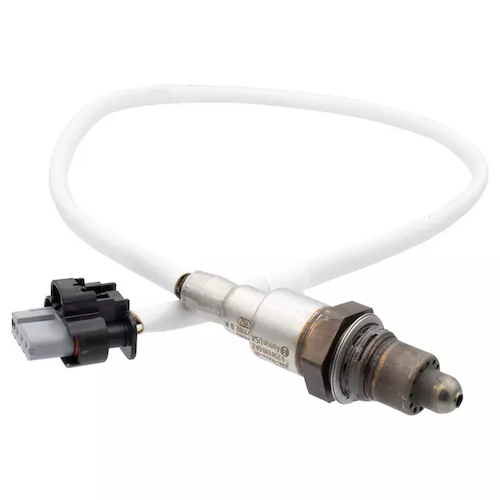
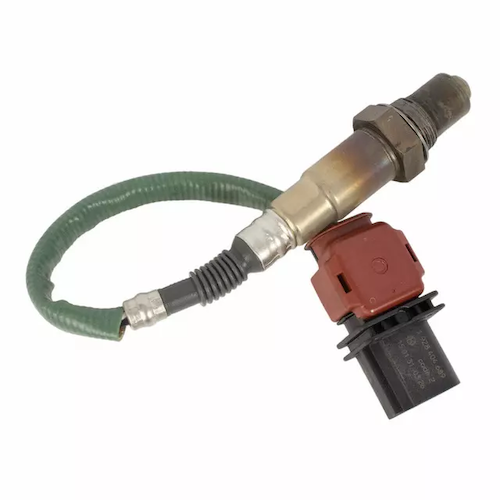
Poor fuel economy can be caused by several factors, especially as your vehicle gets older. But while issues like clogged filters, worn spark plugs, and infrequent oil changes are the first places most people look, a bad oxygen sensor can often go unnoticed for years.
By replacing lazy oxygen sensors, you stop the engine from running rich and ensure your computer has the accurate data it needs to optimize every drop of fuel - which is especially important for older Fords. We stock a wide range of oxygen sensors for just about every Ford model out there - here are a few of our most popular sensors:
To ensure you get the right part the first time, use our handy VIN decoder. We offer fast, affordable shipping to get you back on the road quickly, and our wholesale pricing ensures you get genuine OEM quality without the dealership markup. Contact us for more information and order online today.